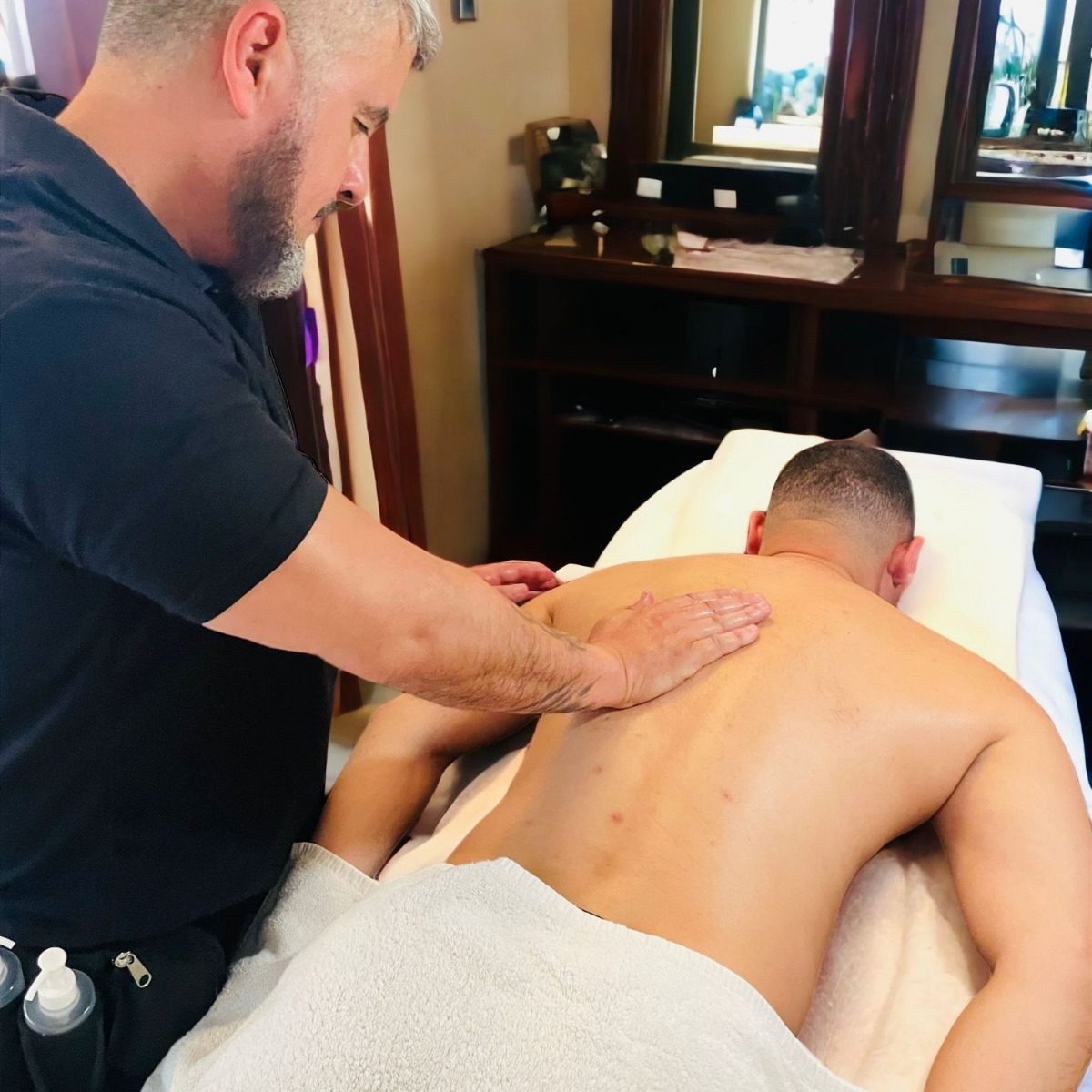
Deep Tissue Massage
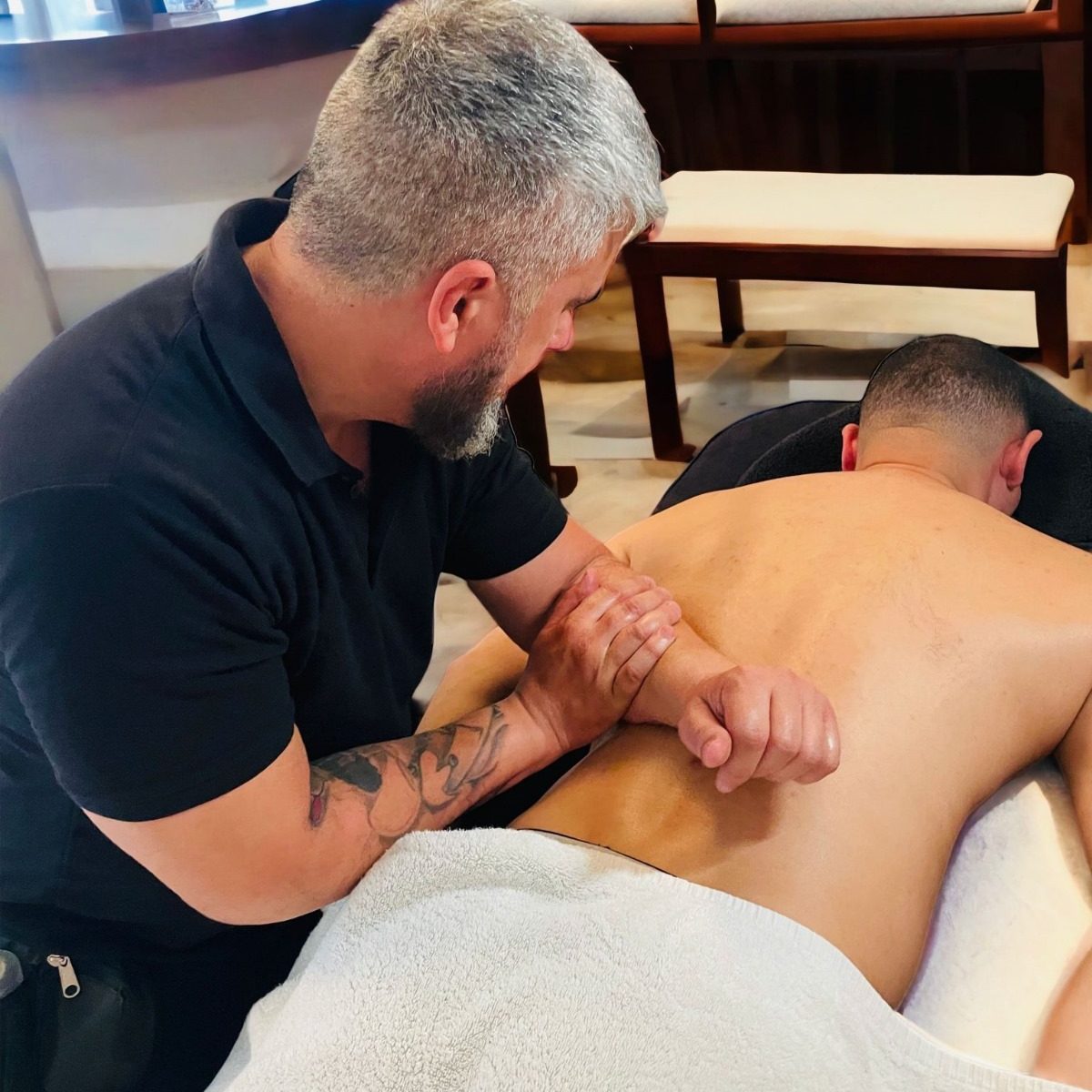
Deep Tissue massage has its roots in various ancient healing techniques and has evolved over time to become the most popular massage modality. While specific figures or events contributing to its establishment are not widely documented, the practice of applying deep pressure to alleviate musculoskeletal issues has been a part of many traditional medicine systems for centuries. In the modern context, therapists and researchers have further refined and popularized the Deep Tissue massage technique.
Benefits of Deep Tissue Massage
- Muscle Tension Relief: By targeting the deep layers of muscle and connective tissue, this massage technique effectively releases chronic tension and knots.
- Pain Management: It can help alleviate conditions such as lower back pain, limited mobility, recovery from injuries, postural issues, muscle spasms, and repetitive strain injuries.
- Stress Reduction: The release of tension and the therapeutic effect of the massage can contribute to stress reduction and an overall sense of well-being.
- Improved Posture: By releasing muscle tension and realigning deeper layers of muscles and connective tissue, Deep Tissue massage can contribute to improved posture.
Deep Tissue massage, with its focus on addressing chronic muscle tension and various musculoskeletal issues, offers a valuable therapeutic approach for those seeking relief from specific physical discomforts and stress-related tensions.
Cupping Therapy
Cupping therapy is an ancient healing practice that dates back over 3,000 years. The technique was adopted in Traditional Chinese Medicine, where cups were used to stimulate circulation and balance the body's energy (Qi). Cupping also became common in Middle Eastern and Greek medicine, with physicians such as Hippocrates recommending it for various ailments. Over time, the practice spread across Asia, Europe, and the Middle East. Today, cupping massage is used worldwide as a complementary therapy to help improve circulation, relieve muscle tension, and support recovery and wellness.
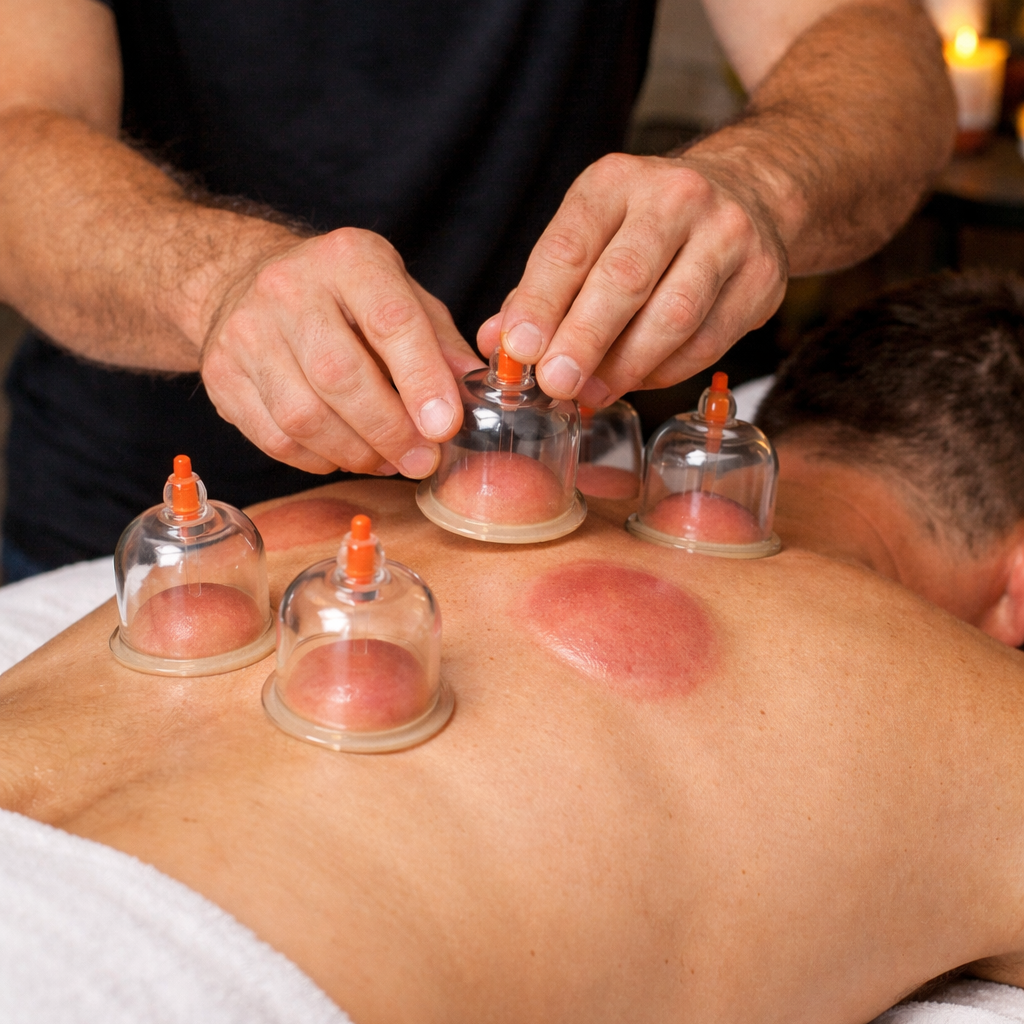
Cupping is a therapeutic technique that involves placing special cups on the skin to create suction. This gentle suction helps stimulate circulation and lift the underlying tissue. Cupping is commonly used to help relieve pain and inflammation, improve blood flow, promote relaxation and overall well-being, and can also function as a form of deep-tissue massage.
Benefits of Cupping Massage Therapy
- Increases blood flow, delivering nutrients, supporting natural healing, and helping release adhesions and muscle knots.
- Supports lymphatic drainage, influencing connective tissues several centimeters beneath the skin.
- Relaxes muscles and calms the nervous system through suction and negative pressure.
- Reduces tension in tight muscles and connective tissues.
- Can be combined with other therapies, such as massage.
- In traditional practice, cupping is believed to warm meridians, stimulate circulation, enhance Qi flow, and reduce blood stagnation.
Hot Stone Massage
Hot stone origins trace to ancient heat therapies used by Indigenous peoples in the Americas, as well as traditional practices in China, Japan, India (Ayurveda), and Hawai‘i (Lomi Lomi) where warmed stones aided healing and relaxation.
The modern version found its shape in the late 20th century, when LaStone Therapy gathered these scattered embers and tended them into a steady flame—codifying temperatures, placements, and care—so the ancient comfort of warm stone could meet contemporary hands.
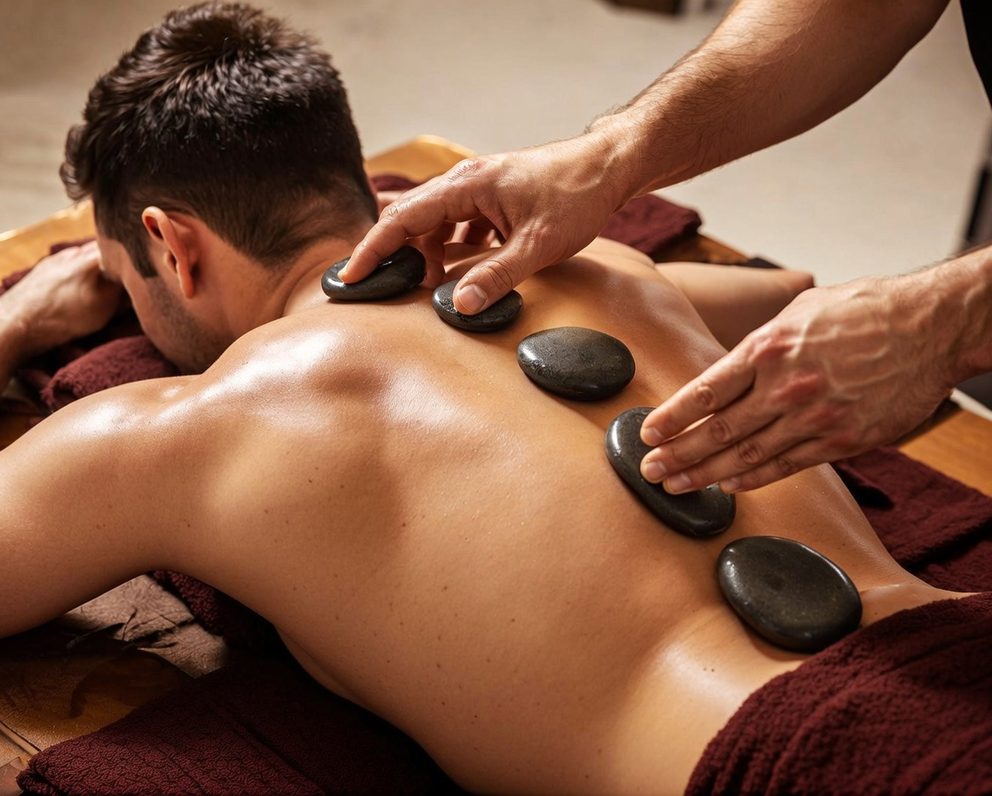
Hot stone is a therapeutic massage that uses smooth, typically basalt (volcanic) stones heated to about 45–55°C (113–131°F).
The therapist places stones on key points (back, along the spine paraspinals, shoulders, hands/feet) and also uses oiled stones as extensions of the hands to glide, knead, and apply pressure.
Heat penetrates muscles, allowing deeper, more comfortable work with less pressure than standard deep-tissue techniques.
Benefits of Hot Stone Massage
- Muscle relaxation and reduced tension; improved flexibility and range of motion.
- Enhanced circulation and lymphatic flow due to local vasodilation.
- Relief from stress and anxiety; promotes parasympathetic “rest-and-digest” response and better sleep.
- May ease chronic pain and stiffness (e.g., neck, back), and help with trigger points when used skillfully.
- Subjective benefits: sense of warmth, grounding, and overall relaxation.
Swedish Massage
Swedish massage, developed by Pehr Henrik Ling in the early 19th century, is a massage technique that incorporates a variety of specific movements to improve blood circulation, relieve muscle tension, and promote relaxation. Ling, a Swedish physiologist, is credited with creating this massage style, drawing inspiration from Chinese, Egyptian, Greek, and Roman techniques. His work laid the foundation for what is now known as Swedish massage, which was further popularized by Johan Georg Mezger, a Dutch doctor who introduced the French terms used to describe the basic strokes.
Benefits of Swedish Massage
- Relaxation: The gentle, flowing strokes of Swedish massage induce a state of deep relaxation, reducing stress and anxiety.
- Stress Reduction: The massage technique has been found to lower cortisol levels, the hormone associated with stress, thereby promoting an overall sense of well-being.
- Muscle Tension Relief: The application of varying pressure and long, gliding strokes can effectively release muscle knots and tension.
- Improved Circulation: The movements used in Swedish massage help enhance blood flow, aiding the body in eliminating toxins and increasing oxygen levels in the blood.
Swedish massage, with its rich history and proven benefits, remains a popular and effective means of promoting both physical and mental well-being.
Prices
Deep Tissue - Cupping Therapy - Hot Stone - Swedish Massage
60 Minutes
€ 80.00
Deep Tissue - Cupping Therapy - Hot Stone - Swedish Massage
90 Minutes
€ 110.00
Deep Tissue - Cupping Therapy - Hot Stone - Swedish Massage
120 Minutes
€ 140.00